Loading
The system
A structural platform. Not a house. Not a kit.
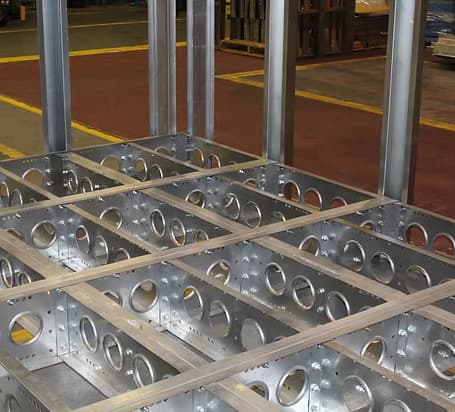
CoGrid replaces traditional structural complexity with three repeating components and a build sequence designed for the conditions field deployments actually face. Bolt-together. Ground-level. Crane-free. What you build on top is up to the mission.
The whole system
Three components.
All under 16 kg. All bolt together.
01Columns
Vertical structure · < 16 kg02Beams
Horizontal structure · < 16 kg03Spreaders
Bracing & load distribution · < 16 kg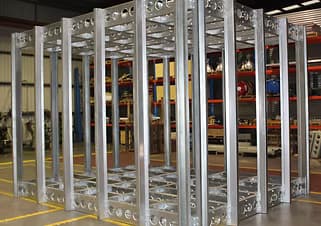
Rapid deployment
Built on the ground.
Then jacked into place.
The grid assembles flat and safe at ground level. Floors and roofs are jacked up using the structure itself — no crane in the country, no scaffolding compound, no specialist rigging crew.
- Repeatable build cycles measured in days
- Same process for 10 units or 1,000
- Workable in tight, remote, or post-disaster sites
Lift without a crane
The structure lifts itself.
CoGrid’s water-jacking system uses the chassis to raise floors and roofs from below. No crane on critical path. No scaffolding to transport, erect, or insure. Safer for the crew, faster for the programme, feasible in places a crane could never reach.
- Removes the single biggest logistics dependency on remote sites
- Crew works at ground level — drastically reduced fall risk
- Same process in a city lot or a flooded floodplain
The labour advantage
If they can hold a wrench, they can build a hospital.
CoGrid is engineered so a small, untrained crew — including local labour, displaced workers, or military personnel — can deliver structurally certified buildings without a trade ticket on site.
- No welders. No specialist riggers. No formwork carpenters.
- Components light enough for two-person handling.
- Repetitive bolt pattern — learned in hours, not weeks.
- Engineering certainty held in the parts, not the person.
Local manufacturing · global standard
The factory comes with you.
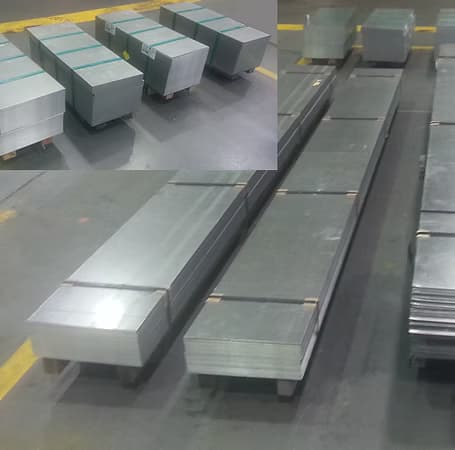
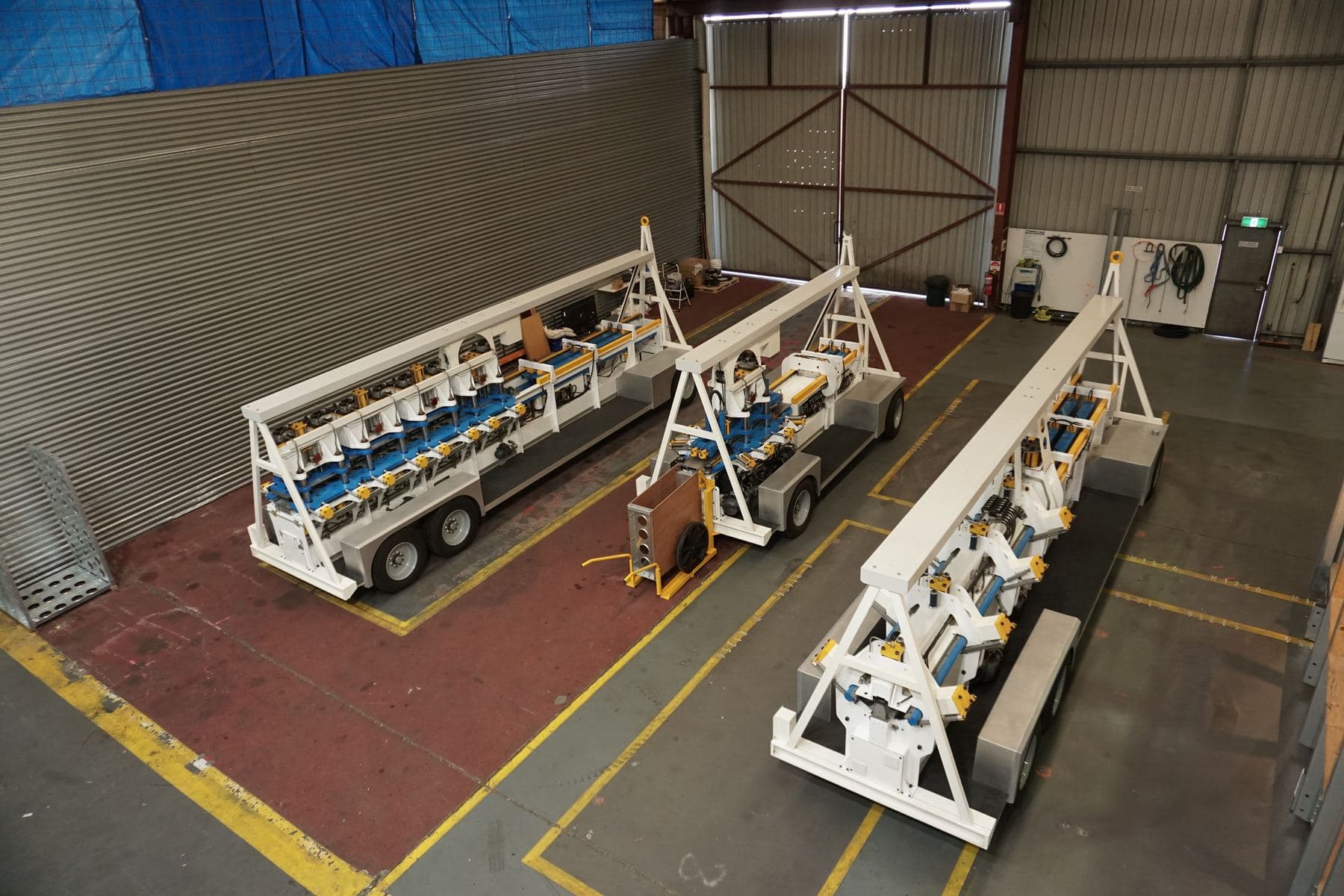
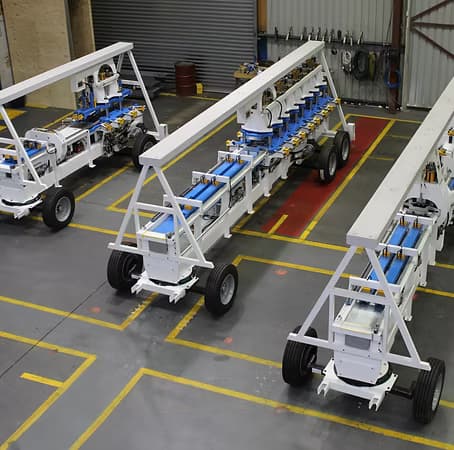
CoGrid’s automated forming machines are mobile. They roll into theatre on a flatbed and produce columns, beams, and spreaders from a single input — galvanised steel sheet — already widely available in nearly every market on earth.
- No dependency on local prefab suppliers
- No long-distance freight of finished components
- Components produced at the rate the crew consumes them
- One material in. Three components out. Built to spec.
Low power
7 kW · intermittent duty
Motor draws power only during a forming cycle. Run from mains, generator, or future solar + battery.
Containerised future
Open the doors. Start producing.
Future production units are built inside 20-foot shipping containers — standard freight, lockable, weather-proof.
Connected
Cloud-supported · remotely diagnosed
Telemetry streams back to Rockhouse. Engineers diagnose remotely. Predictive-maintenance schedules flag wear before downtime.
Machines, running
Three machines. One feedstock. Endless components.
Each former runs an automatic cycle. Sheet steel goes in. A finished, bolt-ready CoGrid component comes out. Every time.
Beam former
Spreader former
Column former
CoGrid Designer · optional
Designed before it ships.
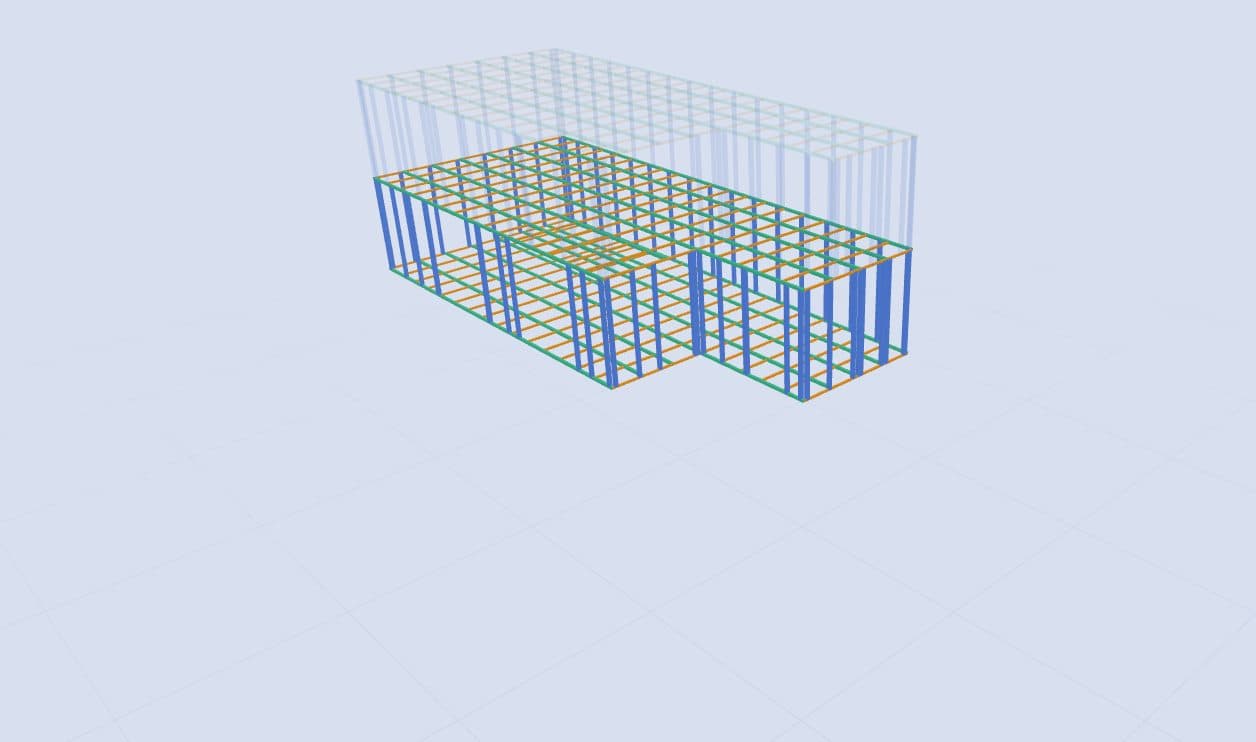
Configure each deployment in CoGrid Designer: draw the floor plan in 2D, see the structural frame generate live in 3D, export the parts list (CSV) straight to manufacturing and STP CAD to your engineers. No surprises in theatre.
- 2D floor plan with snap to the structural grid
- Live 3D frame — columns, beams, spreaders, instantly
- Multi-level support (single or multi-storey)
- Parts list export (CSV) and STP CAD
- Library of doors, windows, walls, roofs
Designer is optional — the system works equally well from your own drawings. It’s the fastest path from concept to parts list, not the only one.
Ready for its first real deployment.
Engineered. Tested. Patented. Built once at full scale. The next step is a partner who can validate it operationally.